
It's important to implement a data recovery solution as part of a concise business continuity plan.

There once was a time where companies required steel filing cabinets to store information. That time is long gone. Today, most of the documents your employees rely on to make your business run properly are of the digital variety. Document duplication, fire proof vaults, and off-site filing systems once were more prominent because that was the best way for companies to endure events where their data might be lost. All this extra storage was part of their business continuity plan. They knew that if a disaster ever struck, losing all of their work could be a fatal blow to their business. However, now that businesses primarily deal with digital records, different methods need to be utilized to prevent data loss.

This is where Jackson Thornton Technologies comes in.

Consider the files stored on your computer network. Everything is typically stored on a central hard drive or server to make the operation of the system simple and efficient for multiple users. The problem with this is that you face a higher-degree of risk by "putting all your eggs in one basket." Hard drives fail all the time, and tape backup is costly and inefficient, so having a dedicated backup system is a must for any size business that relies on data.

If your business were to ever lose its data from drive failure, natural disaster, or user error, you would be staring tragedy in the face. Nearly 70% of businesses that lose their data quickly go out of business. Having a data recovery solution, like our Backup and Disaster Recovery (or BDR), is an essential component of a solid business continuity plan.

How Our Solution Works

Simple, yet effective and affordable.

Unlike tape backup, our Backup and Disaster Recovery system utilizes hard drives to redundantly backup your data. By storing the data away from your primary location, it helps ensure the redundancy that you are looking for in a comprehensive backup system. With Jackson Thornton Technologies's BDR, you'll know that your data is always safe. If ever anything were to happen to your original data, a simple re-route would be all it takes to get your business back up and running again. This allows you to minimize your downtime to minutes, as opposed to the hours it would take to restore that data by using a less efficient backup solution.

To ensure that your company is protected from disaster, we believe that it's best practice to find a solution that not only backs up your data redundantly in multiple locations, but has the ability to restore in minutes.

If you currently don't have a backup solution, then you need one. Based on an affordable, monthly flat-rate, Jackson Thornton Technologies's Backup and Disaster Recovery solution is a smart way to protect your business.
Data Recovery Strategies That Minimize Business Disruption

Every business relies on data to function effectively in today's digital landscape. When that data becomes inaccessible, whether through hardware failure, human error, or unexpected circumstances, the impact can ripple through every aspect of operations. The key to weathering these challenges lies not in avoiding them entirely, but in preparing thoughtful strategies that allow your business to recover quickly and continue serving customers without missing a beat.

Understanding how to approach data recovery with minimal disruption requires thinking beyond simply backing up files. It involves creating a comprehensive framework that considers your business operations, prioritizes critical systems, and establishes clear pathways for restoration when needed.

Understanding Your Data Recovery Needs

Assessing Critical Systems and Information

Different types of data hold different levels of importance for your business operations. Customer records, financial information, and operational databases often form the backbone of daily activities, while other files may be important but less immediately critical. Taking time to understand which systems your business absolutely cannot function without helps shape a recovery approach that makes sense for your specific situation.

This assessment process involves looking at how information flows through your organization and identifying potential bottlenecks that could occur if certain data becomes unavailable. When you understand these dependencies, you can create recovery strategies that address the most pressing needs first, allowing essential operations to resume while less critical systems are restored in the background.

Recognizing Vulnerability Points

Every business has unique vulnerability points where data loss could occur. These might include aging hardware, systems that handle high transaction volumes, or areas where human interaction with data is frequent. Recognizing these points isn't about creating fear around technology, but rather about understanding where extra attention and protective measures make the most sense.

Many organizations find that partnering with managed IT services providers helps identify these vulnerability points through experienced eyes that have seen patterns across different business environments. This outside perspective can reveal blind spots that internal teams might overlook simply because they're too close to daily operations.

Planning for Seamless Recovery

Creating Recovery Time Objectives

Every business needs to consider how quickly different systems need to be back online after a disruption. This isn't about setting arbitrary deadlines, but rather about understanding the practical realities of how your operations function. Some systems might need to be restored within hours, while others can wait days without significantly impacting your ability to serve customers or maintain operations.

These recovery time considerations should align with your business model and customer expectations. A retail operation might need point-of-sale systems back quickly, while administrative functions could potentially operate in modified ways temporarily. The goal is to create realistic timelines that keep disruption manageable rather than catastrophic.

Establishing Clear Recovery Protocols

Having clear protocols means your team knows what steps to take when data needs to be recovered, rather than figuring things out in the moment when stress levels are high. These protocols should outline who needs to be contacted, what systems get prioritized, and how communication flows both internally and externally during recovery efforts.

Well-designed protocols also consider the human element, acknowledging that people need clear instructions and defined roles during stressful situations. When everyone understands their responsibilities ahead of time, recovery efforts proceed more smoothly and with less confusion about what should happen next.

Implementing Effective Recovery Mechanisms

Designing Layered Protection Approaches

Effective data recovery strategies often involve multiple layers of protection rather than relying on a single solution. This might include regular snapshots of critical systems, offsite storage of important information, and redundant systems for particularly crucial functions. The layered approach means that if one protection mechanism fails or proves insufficient, others are available to fill the gap.

These layers work together to create a safety net that catches data before it's permanently lost. Think of it like having both fire alarms and sprinkler systems in a building—each serves a purpose, and together they provide more comprehensive protection than either would alone.

Testing Recovery Capabilities

Having recovery mechanisms in place provides limited value if they haven't been tested to ensure they actually work as intended. Regular testing helps identify potential issues before they become problems during actual recovery situations. These tests don't need to be disruptive to daily operations, but they should provide confidence that restoration processes function correctly.

Testing also helps teams become familiar with recovery procedures, turning theoretical knowledge into practical experience. When people have walked through recovery steps during calm testing periods, they're better prepared to execute those same steps confidently when real situations arise.

Building Long-Term Resilience

Beyond immediate recovery capabilities, businesses benefit from thinking about long-term resilience in how they handle data. This means considering how systems can be designed to be more resistant to disruption in the first place, reducing the frequency with which recovery becomes necessary. It also involves staying current with evolving technology and approaches that can strengthen overall data protection.

Long-term resilience thinking recognizes that data recovery isn't a one-time project but an ongoing aspect of business operations. As your business grows and changes, recovery strategies should evolve alongside those changes, ensuring protection remains aligned with current needs and vulnerabilities.

Data recovery strategies that truly minimize business disruption go beyond technical solutions to encompass thoughtful planning, clear communication, and a realistic understanding of business needs. By assessing what's most critical, planning for various scenarios, implementing layered protections, and building long-term resilience, businesses can face data challenges with confidence rather than fear. The goal isn't to eliminate all risk, but to ensure that when challenges arise, your business has clear pathways to recovery that keep operations moving forward. If you're ready to strengthen your organization's data recovery capabilities, connect with our team to explore strategies tailored to your specific business needs.

Frequently Asked Questions

What's the difference between data backup and data recovery?

Data backup refers to creating copies of your information that can be stored separately from original files, while data recovery is the process of actually restoring that information when the original becomes unavailable. Both are important parts of a complete data protection strategy, working together to ensure business continuity.

How often should recovery procedures be reviewed and updated?

Recovery procedures should be revisited whenever significant changes occur in your business operations, such as adding new systems, expanding to new locations, or experiencing substantial growth. Many businesses find that annual reviews work well as a baseline, with additional reviews triggered by major operational shifts.

What role do employees play in data recovery success?

Employees contribute significantly to data recovery success through their awareness of procedures, understanding of which systems are most critical, and ability to follow established protocols during recovery situations. Regular communication about data protection helps create a culture where everyone understands their role in maintaining business continuity.


Free IT Whitepaper

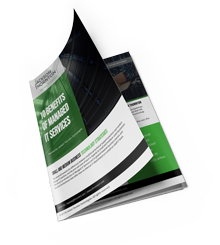
Our 10 Benefits Whitepaper

This whitepaper will evaluate the differences between traditional technical support practices and modern managed IT practices and the pros and cons of both in regards to small and medium-sized businesses.

Download

Is Your Data Safe?

Do you have questions about IT Services and what they can do for your company? Fill out this simple form with your questions and our team will respond promptly!

First Name *
Last Name *
Email *
Phone *
Comments

Request a Consultation

Jackson Thornton Technologies strives to provide the best comprehensive IT, Computer, and Networking services to small businesses. We can handle all of your organization's technology challenges.

Contact Us
Contact Us

Learn more about what Jackson Thornton Technologies can do for your business.

200 Commerce Street ,
Montgomery, Alabama 36104

Call us: (877) 226-9091

Montgomery Managed Services
Auburn Managed Services
Dothan Managed Services

News & Updates
Jackson Thornton Technologies (JTT) is pleased to announce its expansion to a third office located in Auburn, Alabama. This new office will allow JTT to provide additional services in the East Alabama market including cybersecurity reviews, training ...